
Severe Weather Preparedness for Homeowners: Essential Storm Preparedness Tips
- Mar 19
- 4 min read
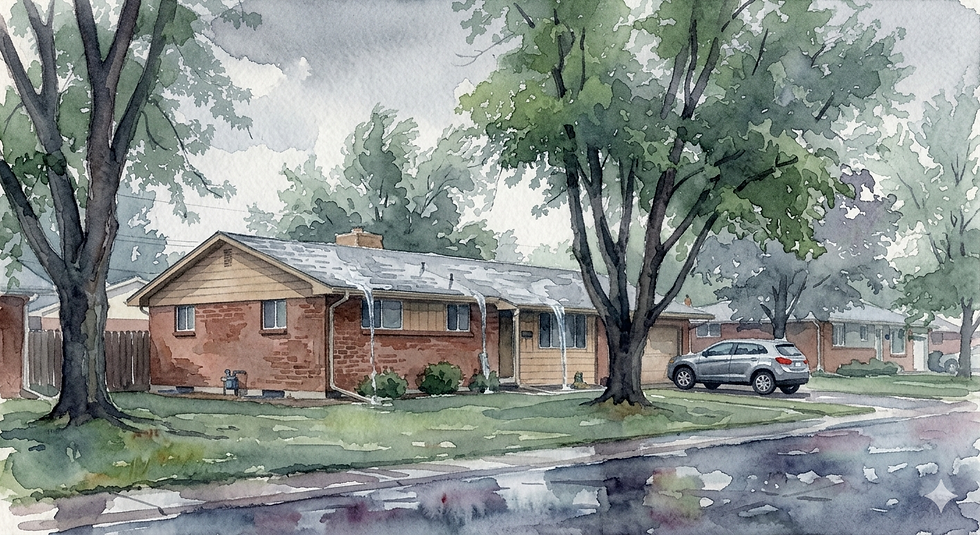
When severe weather strikes, being ready can make all the difference. Whether it’s a thunderstorm, hurricane, tornado, or freezing cold snap, having a plan and the right supplies helps protect your home and loved ones. This guide offers practical storm preparedness tips that empower you to face extreme weather with confidence and calm.
Why Storm Preparedness Tips Matter for Your Home
Storms can cause sudden damage, power outages, and dangerous conditions. Preparing ahead reduces risks and stress. For example, securing loose outdoor items prevents debris from becoming hazards. Checking your roof and windows for vulnerabilities can save costly repairs later.
Here are some key reasons to prioritize storm preparedness:
Safety: Protect your family from injury during severe weather.
Property Protection: Minimize damage to your home and belongings.
Peace of Mind: Feel confident knowing you’re ready for emergencies.
Faster Recovery: Being prepared helps you bounce back quickly after a storm.
Taking simple steps now can prevent bigger problems later. Start by creating an emergency kit with essentials like water, non-perishable food, flashlights, batteries, and a first aid kit. Also, keep important documents in a waterproof container.

Practical Storm Preparedness Tips Every Homeowner Should Know
Being proactive is the best defense against severe weather. Here are some actionable tips to help you prepare your home and family:
Create a Family Emergency Plan
Discuss with everyone where to meet if separated and how to communicate if phones are down. Identify the safest room in your home, usually an interior room without windows.
Inspect and Maintain Your Home
Check your roof for loose shingles, clear gutters, and trim trees near your house. These small maintenance tasks reduce the chance of damage during high winds or heavy rain.
Install Storm Shutters or Impact-Resistant Windows
Protect windows from flying debris by installing storm shutters or upgrading to impact-resistant glass.
Secure Outdoor Items
Bring in or tie down patio furniture, grills, and trash cans. These can become dangerous projectiles in strong winds.
Prepare for Power Outages
Have backup power options like generators or battery packs. Keep your cell phones charged and have extra batteries for flashlights.
Know Your Local Alerts and Warnings
Sign up for weather alerts through your phone or local news. Early warnings give you more time to act.
Review Your Insurance Coverage
Ensure your homeowner’s insurance covers storm-related damages. Consider additional flood insurance if you live in a flood-prone area.
By following these tips, you’ll be well on your way to a safer, more secure home during severe weather events.
What are the 4 P's for Freezing Weather?
Freezing weather brings unique challenges. The 4 P’s help you prepare effectively:
Protect: Shield your pipes from freezing by insulating them and letting faucets drip during extreme cold.
Prepare: Stock up on supplies like warm clothing, blankets, and extra food.
Prevent: Keep your home heated and seal drafts around doors and windows.
Plan: Have a plan for power outages and know where to go if you need to evacuate.
These steps reduce the risk of burst pipes, hypothermia, and other cold-weather hazards. For example, wrapping outdoor faucets that are not freeze-proof with insulation sleeves can prevent costly water damage.
How to Build a Severe Weather Emergency Kit
A well-stocked emergency kit is a cornerstone of severe weather preparedness. Here’s what to include:
Water: At least one gallon per person per day for three days.
Food: Non-perishable items like canned goods, energy bars, and dried fruit.
First Aid Supplies: Bandages, antiseptics, medications, and any personal prescriptions.
Tools and Supplies: Flashlights, batteries, multi-tool, whistle, and manual can opener.
Clothing and Bedding: Warm clothes, rain gear, and blankets.
Important Documents: Copies of IDs, insurance policies, and medical records in a waterproof bag.
Communication Devices: Battery-powered or hand-crank radio to receive updates.
Sanitation Items: Moist towelettes, garbage bags, and personal hygiene products.
Store your kit in an easy-to-access location and check it regularly to replace expired items. Tailor your kit to your family’s specific needs, including pets.
Preparing Your Home’s Exterior for Storm Season
The outside of your home is the first line of defense against severe weather. Here’s how to get it ready:
Trim Trees and Shrubs: Remove dead branches and thin out dense areas to reduce wind damage.
Clean Gutters and Downspouts: Ensure water flows away from your foundation to prevent flooding.
Check the Roof: Repair missing or damaged shingles and seal any leaks.
Secure Doors and Windows: Install weather stripping and reinforce garage doors.
Install Flood Barriers: Use sandbags or other barriers if you live in a flood-prone area.
Regular maintenance not only protects your home but also increases its value and curb appeal.
Staying Safe During and After Severe Weather
Knowing what to do during and after a storm is just as important as preparing beforehand. Follow these safety tips:
During the Storm: Stay indoors and away from windows. Use a battery-powered radio to listen for updates.
If Power Goes Out: Use flashlights instead of candles to reduce fire risk. Keep refrigerator and freezer doors closed.
After the Storm: Avoid downed power lines and report them immediately. Check for gas leaks and structural damage before re-entering your home.
Help Neighbors: Check on elderly or disabled neighbors who may need assistance.
By staying calm and following your plan, you can keep yourself and your family safe.
Taking the Next Step in Home Safety
Preparing for severe weather is an ongoing process. Regularly review and update your emergency plans and supplies. Consider attending local workshops or webinars on storm preparedness to stay informed.
Remember, the goal is to protect your home and loved ones while minimizing stress during challenging times. With these storm preparedness tips, you’re building a safer, more resilient home environment.
Taking action today means you’ll be ready tomorrow. Stay safe and confident no matter what the weather brings.


Comments